
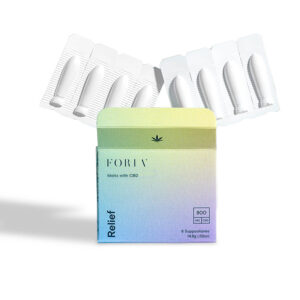
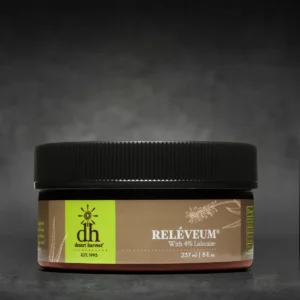
Products Nurse Jenna often recommends. Not a substitute for an individualized plan.
Hormonal imbalances cause hormonally mediated vestibulodynia (HMV), a type of vulvovaginal pain. It is estimated to impact up to 7% of women. Due to limited recognition and discussion, many women remain unaware of its presence. In this blog post, we’ll discuss what HMV is, how you can recognize the signs and symptoms and the best treatments for hormonally mediated vestibulodynia in Northern Virginia.
What Is Hormonally Mediated Vestibulodynia?
An imbalance in hormones causes HMV, a condition characterized by chronic vulvovaginal pain. Specifically, HMV involves a decrease in estrogen and testosterone at the vaginal opening, which can lead to inflammation and irritation in the area. Providers often misdiagnosed hormonally mediated vestibulodynia as vulvodynia. Vulvodynia is pain that affects the entire vulva (external female genitalia). Vestibulodynia affects the vaginal opening called the vulvar vestibule. This inflammation and irritation can cause burning, itching, stinging, tenderness, or other types of discomfort during intercourse or when touched.
How To Recognize The Signs Of Hormonally Mediated Vestibulodynia
HMV can be difficult to diagnose due to its vague symptoms and overlap with other conditions like vaginismus, vulvodynia, pelvic floor dysfunction or endometriosis. However, there are certain signs that could indicate hormonally mediated vestibulodynia. These include:
- Painful intercourse
- Burning sensation during sexual activity
- Difficulty inserting tampons or other objects into the vagina
- Increased sensitivity in the vaginal area
- Recurrent UTI like symptoms with no infection
- Redness or swelling around the vulva area
- Itching or stinging sensations in the vaginal area
When to Get Help?
If you experience any of these symptoms on a regular basis, it could be a sign that you have hormonally mediated vestibulodynia. Note that other conditions, such as infections or endometriosis, can also cause these symptoms, so it’s advisable to consult your provider if you suspect something may be wrong.
Your provider will likely recommend tests such as blood work or a Q-tip test so they can assess your hormone levels and rule out any other possible causes for your symptoms.
Hormonal Imbalance
Hormonal imbalances cause hormonally mediated vestibulodynia (HMV), a type of chronic vulvovaginal pain. Certain medications, such as oral birth control pills, can reduce the hormones available for use by the vulvar vestibule. To properly diagnose and treat HMV you must recognize the signs. Sign include painful intercourse, burning sensations during sexual activity, difficulty inserting tampons or objects into the vagina, symptoms that mimic a urinary tract infection.
Best Treatments for Hormonally Mediated Vestibulodynia Northern Virginia
If you experience any of these symptoms on a regular basis, make sure to speak with your provider right away so they can assess your hormone levels and determine if HMV might be causing them. With proper diagnosis and treatment from your provider, you should be able to manage your symptoms effectively and live life normally again with the best treatments for hormonally mediated vestibulodynia in Northern Virginia.
Have questions about vulvodynia?
Talk it through in a virtual or in-person visit. No referral needed.
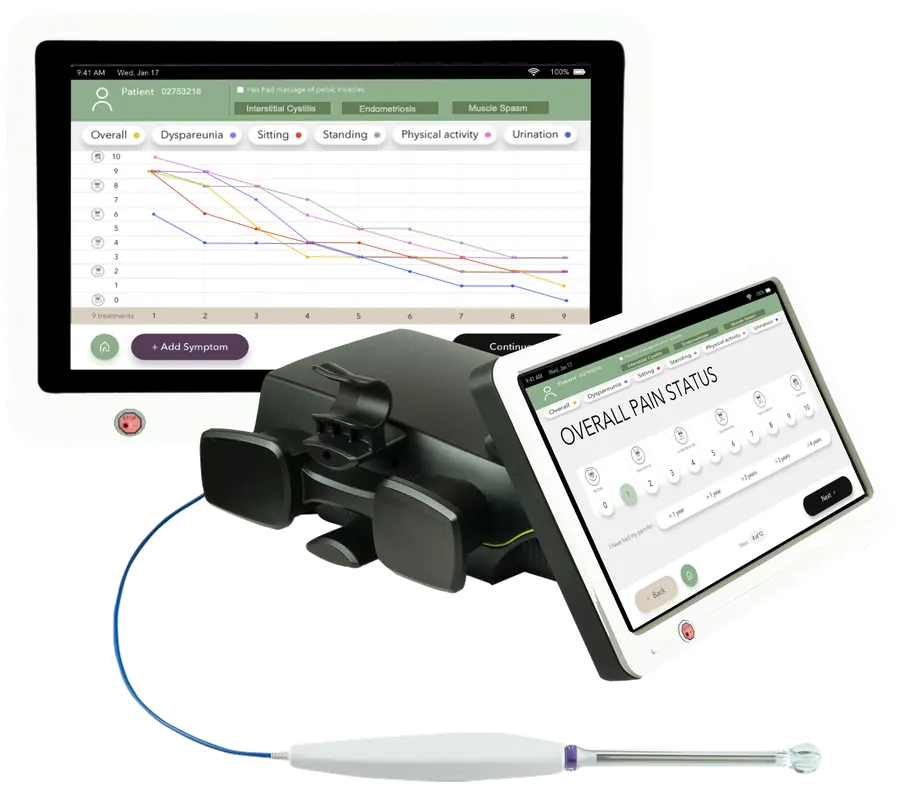
SoLá Pelvic Therapy
FDA-cleared infrared light therapy for pelvic pain